What Is Environmental Health for Families? A Practical Guide
I still remember the afternoon I sat in a pediatric appointment, watching a mother describe her daughter’s third respiratory infection that winter. Same apartment. Same school. Same diet. “I don’t understand,” she said. “I do everything right.” And I believed her. She was careful. She was attentive. But the one thing neither of us had talked about — the one thing her daughter was breathing, drinking, and touching every single day — was her environment.
That’s the moment environmental health for families stopped being an abstract field of medicine for me and became something personal.
Most of us grew up thinking health was about what we ate and how much we moved. And yes — those things matter enormously. But the air inside your home, the water coming out of your tap, the cleaning spray you just used on your kitchen counter? They matter too. Quietly. Cumulatively. In ways that can take years to show up.
This guide is here to change that. Not to scare you — I promise — but to give you a clear, practical foundation for understanding what environmental health actually is, why it belongs in your family’s wellness conversation, and where to start without overhauling your entire life.
Let’s dig in.
Table of Contents
What Is Environmental Health, Really?
Environmental health is the branch of public health that looks at how our surroundings — air, water, soil, built spaces, chemicals — affect our bodies over time.
It’s not just about dramatic things like factory pollution or toxic waste sites (though those absolutely count). Environmental health covers the everyday stuff too: the VOCs released by your new couch, the lead that might linger in older plumbing, the mold quietly growing behind a bathroom tile, the flame retardants in your child’s mattress.
According to the World Health Organization, about 23% of global deaths are linked to environmental factors. That number used to shock me. Now it makes sense. Because the environment isn’t something we occasionally visit — we live inside it, every hour of every day.
Environmental health for families looks at that reality through a practical lens: What are we exposed to at home? At school? In our neighborhood? And what can we actually do about it?
Why Families — and Especially Kids — Are More Vulnerable
Children are not just small adults. Their bodies process environmental exposures very differently.
Kids breathe more air per pound of body weight than adults do. They spend more time on floors, where dust and chemical residues settle. They put their hands in their mouths constantly. Their developing nervous systems, hormonal systems, and immune systems are far more sensitive to disruption than ours are.
That’s not meant to send you into a spiral. It’s meant to explain why household toxin exposure is worth paying attention to — especially in the first years of life, when so much development is happening at once.
For mothers specifically, the stakes are even higher during pregnancy. Environmental exposures during those nine months — certain pesticides, heavy metals, air pollutants — have been linked in research to preterm birth, low birth weight, and developmental delays. Not every exposure leads to harm. But patterns matter. Duration matters. And the earlier we address them, the better.
The encouraging news? You don’t need to live in a bubble. Small, consistent changes in your family wellness environment add up to meaningful protection over time.

The Air You Breathe at Home Matters More Than You Think
Here’s something that surprised me when I first learned it in medical school: indoor air can be more polluted than outdoor air. Significantly so.
We seal our homes for energy efficiency, and in doing so, we trap whatever is inside. Dust mites. Pet dander. Mold spores. Volatile organic compounds (VOCs) from paint, furniture, cleaning products, and synthetic fragrances. Carbon monoxide from gas stoves. Formaldehyde from pressed wood.
Maintaining good indoor air quality at home is one of the most impactful things a family can do for their health — and it doesn’t have to be complicated.
A few places to start:
- Swap synthetic air fresheners for ventilation. Most conventional air fresheners mask odors with a cocktail of synthetic chemicals. Opening a window is genuinely better for your air quality.
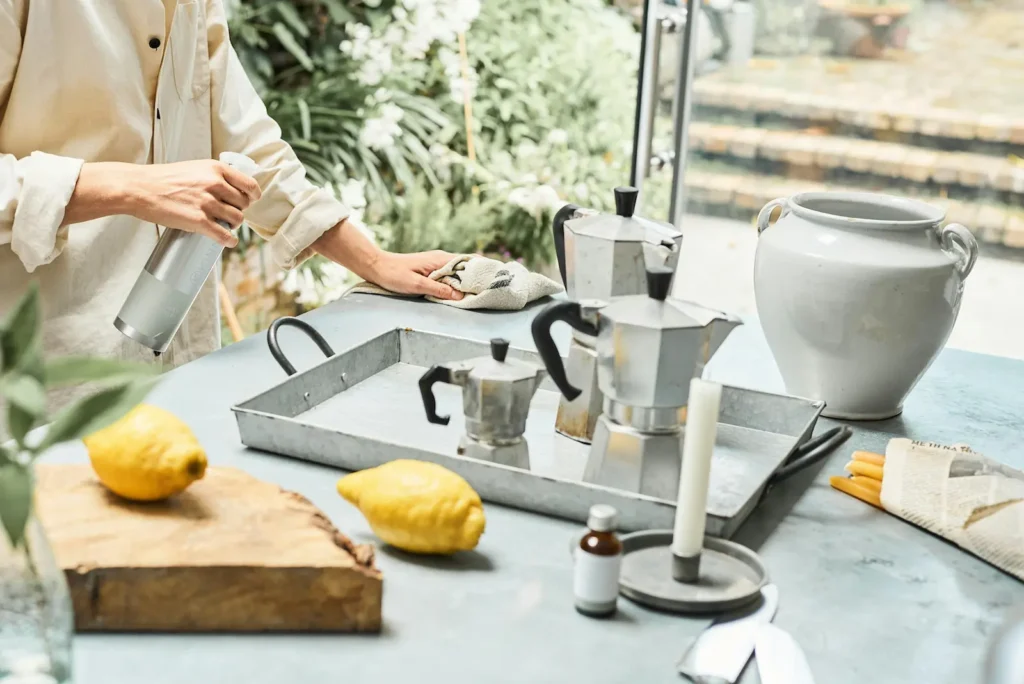
- Go fragrance-free with cleaning products. “Fresh scent” usually means added chemicals, many of which are known irritants. Fragrance-free options clean just as well.
- Consider a HEPA air purifier in the rooms where your family spends the most time — especially bedrooms.
- Leave shoes at the door. An underrated habit. Shoes track in pesticides, heavy metals, and bacteria from outside. A simple doormat and a no-shoes policy dramatically reduces what ends up on your floors.
None of these require a big budget. They require a small shift in habit.
Water Safety: What’s Actually in Your Tap?
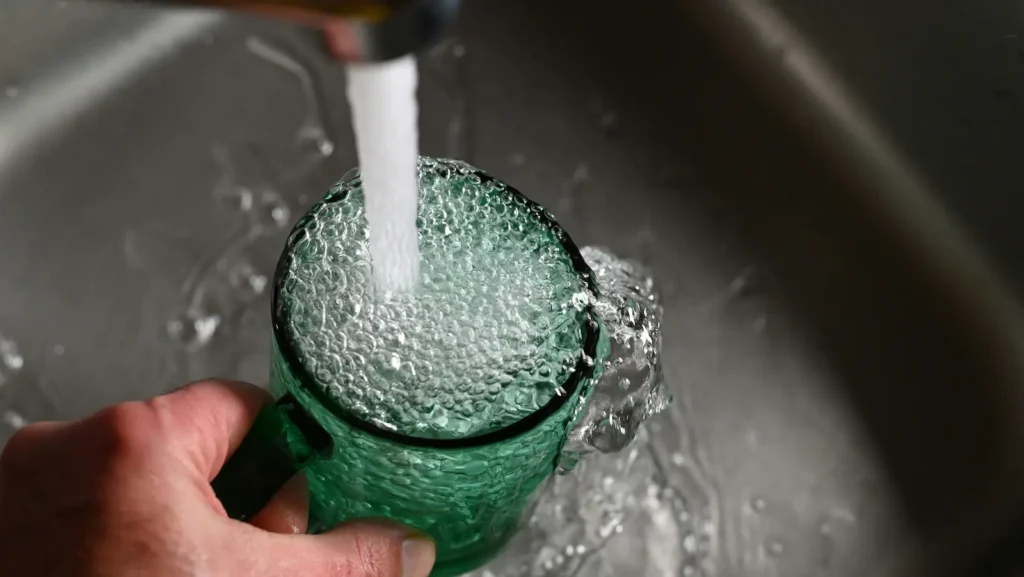
Most of us trust our tap water without thinking much about it. And in many places, that trust is well-placed. But it’s worth asking the question — especially if you live in an older home or a community that has had issues with water quality.
Common water contaminants that affect families include:
- Lead — especially in homes built before 1986, where pipes or fixtures may contain lead solder.
- PFAS (“forever chemicals”) — a group of industrial chemicals that have contaminated water supplies in many regions and are linked to immune disruption and hormonal issues.
- Nitrates — more common in rural areas with agricultural runoff, and particularly dangerous for infants.
- Chlorine byproducts — generally present at low levels in treated municipal water.
The best first step is to check your local water quality report (in the U.S., utilities are required to publish Consumer Confidence Reports annually). If you have concerns, a certified water filter — not just a basic pitcher — can make a real difference. Look for NSF-certified options that target the specific contaminants in your area.
For families with infants, this is especially worth prioritizing. Formula made with contaminated water concentrates whatever is in it.
Environmental Health for Families: The Everyday Chemical Conversation
This is the part that tends to overwhelm people, so let me say it plainly: you cannot eliminate all chemical exposure. That’s not the goal.
The goal is to reduce your household toxin exposure in the places where it’s easiest to do so and where the impact is greatest. That’s a very different — and much more manageable — conversation.
Some of the most common everyday chemicals worth paying attention to include:
Endocrine disruptors — chemicals that interfere with hormonal signaling in the body. Common examples include phthalates (found in many plastics and fragranced products), BPA (found in some food packaging and receipts), and parabens (used as preservatives in cosmetics). These aren’t immediate hazards, but cumulative, low-level exposure over years is what researchers are studying — and what’s driving much of the shift toward cleaner product formulations.
Pesticide residues — present on some conventionally grown produce and trackable indoors from shoes, pets, and lawns. Washing produce well and choosing organic for the highest-residue items (the Environmental Working Group’s “Dirty Dozen” list is a good reference) are practical steps.
Heavy metals — lead, mercury, arsenic, and cadmium can appear in unexpected places: water, certain spices, old paint, some fish, cosmetics, and soil in urban gardens. Knowing your sources is the first step.
One framework I share: focus on reducing your highest exposures first. Where do you and your kids spend the most time? What do you touch, breathe, or eat most often? Start there. The rest can wait.

How to Build a Toxic-Free Home (Without Losing Your Mind)
A toxic-free home isn’t a Pinterest board. It’s not a glass-jar pantry or a $300 non-toxic mattress (though if that’s your thing, I love it). It’s a series of small, deliberate swaps made over time — at whatever pace works for your family and your budget.
Here’s a framework that works for real families:
Phase 1 — Replace as things run out. When your cleaning spray is empty, replace it with a fragrance-free, low-toxicity option. When your plastic food containers crack, replace them with glass or stainless. When your nonstick pan starts flaking, swap it for cast iron or stainless steel. This approach is budget-friendly and pressure-free.
Phase 2 — Prioritize the bedroom. We spend roughly a third of our lives asleep. The air quality, bedding materials, and dust levels in your bedroom have an outsized effect on your health. A HEPA purifier, regular washing of pillowcases in hot water, and swapping synthetic fabric softener for fragrance-free alternatives are meaningful wins.
Phase 3 — Think about what touches your kids’ skin. Children absorb chemicals through their skin more readily than adults. Choosing fragrance-free body wash, lotion, and laundry detergent for little ones is a low-effort, high-impact shift.
Progress over perfection. Always.
The Mental Load of Environmental Health (And How to Carry It Lighter)
I want to acknowledge something that doesn’t get said enough in these conversations: this is a lot to hold.
As women who care about our families’ well-being, we often become the default managers of household health decisions. And specially for the moms out there, when environmental health gets added to that list — on top of nutrition, sleep, screen time, school, emotional health — it can feel like one more thing to fail at.
It’s not. And it doesn’t have to feel that way.
Environmental health for families isn’t about perfection or purity. It’s about awareness and incremental action. It’s about understanding that the environment is part of the health picture — and that even imperfect steps in the right direction matter.
You don’t have to do everything at once; you might not be able to do many things at all. But you can always start somewhere.
Small Steps That Add Up: A Practical Starting Checklist
If you’re wondering where to begin, here’s a simple, low-pressure checklist organized by impact:
High impact, low effort:
- Remove shoes at the door
- Switch to fragrance-free cleaning and laundry products
- Open windows daily when outdoor air quality is good
- Run the kitchen exhaust fan while cooking on a gas stove
- Wash hands before eating (old advice, still powerful)
Medium effort, worth it:
- Look up your local water quality report and filter accordingly
- Replace worn nonstick cookware with cast iron or stainless steel
- Store food in glass or stainless containers instead of plastic
- Choose fragrance-free personal care products for kids
Bigger investments to plan for:
- HEPA air purifier for bedrooms
- Certified water filter for drinking and cooking water
- Test older homes for lead paint and radon
Work through the list at your own pace. Each item you check off is a genuine improvement in your family wellness environment — no matter how long the rest of the list takes.
Environmental Health Is a Long Game — and That’s Okay
One of the most important things I’ve come to understand — as a doctor and as someone who cares about this planet — is that environmental health is not a problem you solve. It’s a relationship you tend.
The environment changes. Science evolves. New research emerges. What we know about PFAS today, for example, looks very different from what we knew ten years ago. And that’s not a reason for anxiety — it’s a reason to stay curious, stay informed, and stay flexible.
Improving indoor air quality at home, reducing household toxin exposure, making more intentional product choices — these aren’t one-time projects. They’re ongoing practices. And like most wellness practices, the cumulative effect over years is where the real impact lives.
Your children will grow up in a home where these things were thought about. Where doors had a shoe rack. Where cleaning products smelled clean without synthetic fragrance. Where windows were opened. That shapes habits. That shapes health. Quietly, consistently, powerfully.
Your Family’s Health Starts With Understanding the Environment Around You
Environmental health for families isn’t a niche topic for scientists or activists. It’s a practical, everyday concern for any parent who wants to do right by their kids — and by themselves.
The basics are genuinely accessible. The air you breathe, the water you drink, the products you use daily — these are all within your reach to improve, step by step, without perfection and without panic.
Start with one change this week. Just one. Leave the shoes at the door. Open a window. Swap the scented cleaner for an unscented one. Let that be enough for now.
And when you’re ready to go deeper — when you want to understand how all of this connects to your body’s long-term health, to chronic disease risk, to the systems that keep you well over decades — I’d love for you to read our post:
👉 How Environmental Health Impacts Long-Term Human Health — it picks up exactly where this guide leaves off, and it might just change how you think about what “staying healthy” really means.
The planet you dream of starts inside your home. Let’s build it together.