How to Monitor Indoor Air Quality at Home (And Keep It Actually Healthy)
A practical, room-by-room guide to understanding what’s in your air — and what to do about it.
You’ve learned about the Common toxins in our home. You’ve read all about Indoor air pollution. You’ve started paying attention to cleaning products, to fragrances, to what your furniture is off gassing.
And now you’re asking the natural next question:
How do I actually know if my indoor air is okay?
It’s a good question.
And the honest answer is: most of us are guessing.
We assume that if the air doesn’t smell bad, it’s probably fine. But many of the most concerning indoor air pollutants — carbon monoxide, radon, VOCs — are completely odorless. You can’t sense them. Your body might eventually react to them, but by then you’ve already been breathing them in for weeks, months, or years.
Hey, Hey, Hey! We don’t worry about it; we take care of it.
In this guide we’re going to look at how to monitor indoor air quality, how to do it practically, and what habits genuinely move the needle — room by room, pollutant by pollutant.
Table of Contents

First: What Are You Even Monitoring For?
Before you start buying gadgets or testing kits, it helps to understand what the main categories of indoor air pollutants actually are. The EPA identifies several major groups, and each behaves differently:
Combustion byproducts — carbon monoxide (CO), nitrogen dioxide (NO₂), and fine particles — come from gas stoves, fireplaces, wood-burning, candles, and attached garages. They spike during cooking or burning events, then dissipate. Carbon monoxide in particular can reach dangerous levels quickly and silently.
Biological contaminants — mold spores, dust mites, pet dander, bacteria, pollen — tend to accumulate in damp, warm, or dusty areas. They’re not chemical pollutants, but they’re among the most common triggers for respiratory symptoms and allergies indoors.
Volatile organic compounds (VOCs) — off-gassed from paints, furniture, flooring, cleaning products, synthetic fragrances, and personal care products — often exist as a slow background presence that can be 2 to 5 times higher indoors than outdoors. New furnishings and renovations spike them dramatically.
Radon — a radioactive, colorless, odorless gas that seeps up from soil and rock — is one of the leading causes of lung cancer after smoking. It accumulates silently, especially in basements, and there is no safe level.
Particulate matter (PM2.5 and PM10) — fine particles from cooking, burning, dust, and outdoor pollution — can penetrate deep into the lungs. These are measurable with consumer-grade monitors.
Formaldehyde — a colorless, sharp-smelling gas off-gassed from pressed wood furniture, flooring, and some textiles — is especially high in new homes or after renovation. It decreases over time but can remain elevated for years.
Understanding which category concerns you most — based on your home’s age, your habits, and your family’s health sensitivities — helps you prioritize where to focus.
The 3 Strategies That Actually Work
Before we go room by room, it’s worth anchoring everything in the three approaches that environmental health experts consistently point to as most effective:
1. Source control — removing or reducing the pollutant at its origin. This is almost always the most effective first step. A gas stove you never vent, a pressed wood bookshelf you can coat or replace, a synthetic fragrance product you stop using. Reducing the source is more effective than trying to clean the air afterward.
2. Ventilation — bringing in outdoor air to dilute indoor pollutants. This is the simplest intervention to improve indoor air quality that most people underuse. Opening windows, using exhaust fans, running bath and kitchen vents. Most home heating and cooling systems don’t bring in fresh outdoor air — they just recirculate what’s already inside.
3. Air filtration — using mechanical filters or purifiers to capture particles from the air. This can genuinely help, but it works best alongside source control and ventilation, not instead of them. We’ll come back to this.
Keep these three in mind as you read. Every action in this guide falls into one (or more) of these categories.
The Invisible Ones: Pollutants You Must Test For
Some indoor air pollutants simply cannot be detected by observation. You can’t smell or see them. For these, there is no substitute for testing.
Radon
This is the big one. Experts warn that exposure to radon is the leading cause of lung cancer in people who don’t smoke, and the vast majority of people have never tested their homes for it. It seeps in through floors, cracks in foundations, and walls in contact with soil. Levels vary by geography and by house — you cannot predict your home’s radon level from your neighbor’s.
What to do: Air quality testing at home. Full stop. Inexpensive DIY test kits are widely available, take a few days to a few months depending on type, and give you a clear picocuries-per-liter (pCi/L) reading. If your level is at or above 4 pCi/L, mitigation is recommended — and it works. A trained contractor can typically reduce radon levels significantly through sub-slab depressurization systems.
Test basements and ground floors first. Retest after any major home renovations or if you move.
Carbon Monoxide
Carbon monoxide is produced whenever anything burns — gas stoves, furnaces, fireplaces, attached garages. At low levels it causes fatigue, headaches, and nausea that can easily be mistaken for a cold or flu. At high levels it’s fatal.
What to do: Install CO detectors on every floor of your home, and within 10 feet of every sleeping area. Replace them every 5-7 years. This is not optional — it is the single most important safety action for combustion-related air quality.
Have your furnace, gas appliances, and chimney inspected annually by a professional.
Lead
If your home was built before 1978, lead-based paint may be present. When it deteriorates or is disturbed during renovation, it creates dust that becomes a serious health hazard — especially for young children, in whom it causes permanent neurological damage.
What to do: Don’t sand or scrape old painted surfaces without testing first. If you’re renovating, hire certified renovation contractors who follow lead-safe work practices. Keep painted surfaces in good condition and clean up dust frequently in older homes.
Room-by-Room: Where Problems Tend to Hide
Indoor air quality is not uniform throughout a home. Pollutants tend to concentrate in specific areas based on activity, ventilation, and materials. Here’s where to focus your attention:
Kitchen
The kitchen is often the largest contributor to indoor air pollution spikes in everyday life. Gas stoves release nitrogen dioxide and carbon monoxide during use. High-heat cooking — frying, searing, broiling — generates fine particles that can travel throughout your home. Even electric stoves produce particles during high-heat cooking.
What to monitor and do:
- Use your range hood every single time you cook, and make sure it’s vented to the outside (not just recirculating). Recirculating hoods filter grease but do almost nothing for gas pollutants.
- Open a window during and after cooking.
- Keep burners properly maintained — a yellow or orange gas flame indicates incomplete combustion and more pollutant emissions. A properly adjusted flame burns blue.
- Clean grease buildup from surfaces regularly; it can re-volatilize.
- Consider a CO detector near the kitchen in addition to the main detectors.
Bathroom
Bathrooms generate moisture, which creates conditions for mold growth. Mold spores are biological pollutants that aggravate respiratory conditions and trigger allergies. Showers also volatilize chemicals from hot water — including chloroform from chlorinated municipal water — into the air.
What to monitor and do:
- Run the exhaust fan during and for at least 20 minutes after every shower or bath.
- Check under sinks and around toilet bases for any slow moisture accumulation.
- Look for visible mold or mildew on grout, caulk, and walls. If it keeps coming back despite cleaning, there may be a moisture problem behind the surface.
- Keep relative humidity in check — aim for 30-50%. A simple hygrometer (humidity gauge) costs very little and is one of the most useful monitoring tools in a home.
Bedroom
You spend roughly a third of your life here, which means bedroom air quality has an outsized impact on your health. Bedrooms tend to accumulate dust mites (which thrive in bedding), off-gassing from mattresses and furniture, and whatever VOCs are present in the rest of the home.
What to monitor and do:
- Wash bedding in hot water weekly (at least 130°F / 54°C to kill dust mites).
- Use allergen-protective covers on mattresses and pillows if anyone in the household has asthma or allergies.
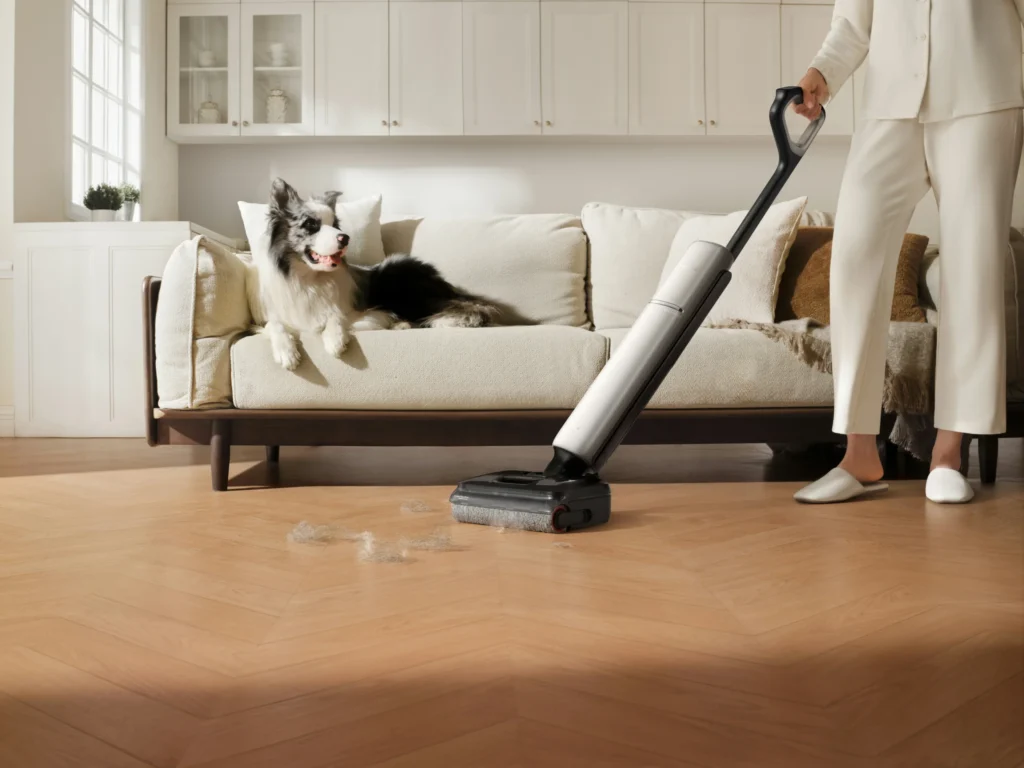
- Vacuum with a HEPA filter regularly, including under beds.
- When possible, keep the bedroom door open during the day to improve air circulation.
- Be cautious about synthetic fragrances in this room especially — plug-in air fresheners, scented candles, and heavily fragranced laundry products used on bedding contribute to chronic low-level VOC exposure.
- If you have a new mattress or furniture, air it out extensively before sleeping with it in the room.
Basement and Crawl Spaces
Basements are where radon tends to accumulate — it’s heavier than air and enters from below. They’re also moisture-prone environments that easily develop mold problems. If you use your basement as a living space, these issues matter significantly.
What to monitor and do:
- Test for radon here first (lowest level of the home is where concentrations will be highest).
- Use a dehumidifier if needed to keep relative humidity below 50%.
- Inspect regularly for water intrusion, especially after heavy rain.
- Ensure any basement living areas have adequate ventilation.
- Don’t store old paint, solvents, or cleaning products in attached or below-grade spaces without good ventilation — they off-gas into the home.
Living Room and Common Areas
These spaces are dominated by furniture off-gassing (VOCs and flame retardants from upholstery), carpeting (formaldehyde, VOCs from adhesives and treatments), and anything you burn — candles, fireplaces, incense.
What to monitor and do:
- Vacuum carpets and upholstered furniture regularly with a HEPA filter vacuum.
- Use fireplace dampers correctly and have chimneys cleaned annually.
- If you burn candles, choose beeswax or soy candles with cotton wicks, burn them briefly in ventilated spaces, and trim wicks to reduce soot.
- Dust with damp cloths rather than dry dusting, which just redistributes particles into the air.
- Maximize natural ventilation — open windows daily when outdoor air quality permits.
Your Indoor Air Quality Monitoring Toolkit
You don’t need to invest in everything at once. Here’s a tiered approach by priority:
Essential (Start Here)
Carbon monoxide detectors — one per floor, near sleeping areas. Non-negotiable.
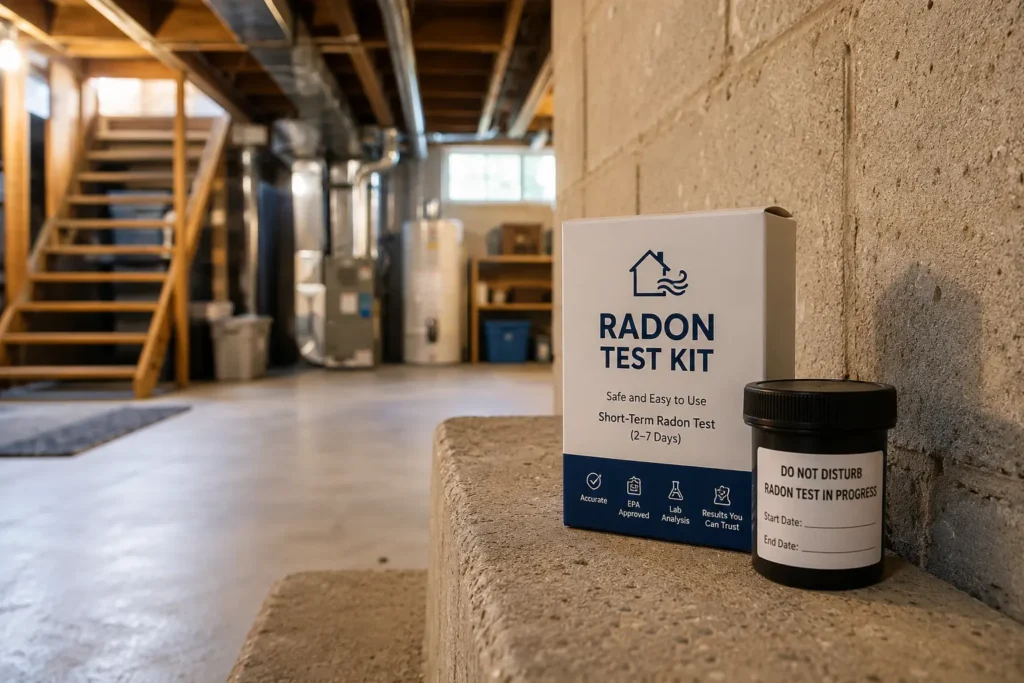
Radon test kit — a passive charcoal canister test costs very little and gives you the most important information about your home’s air. Start with the lowest level of your home.
Hygrometer (humidity monitor) — a basic digital model is inexpensive and tells you whether you’re in the humidity sweet spot (30–50%) where mold is least likely to grow and dust mites are controlled.
Very Useful
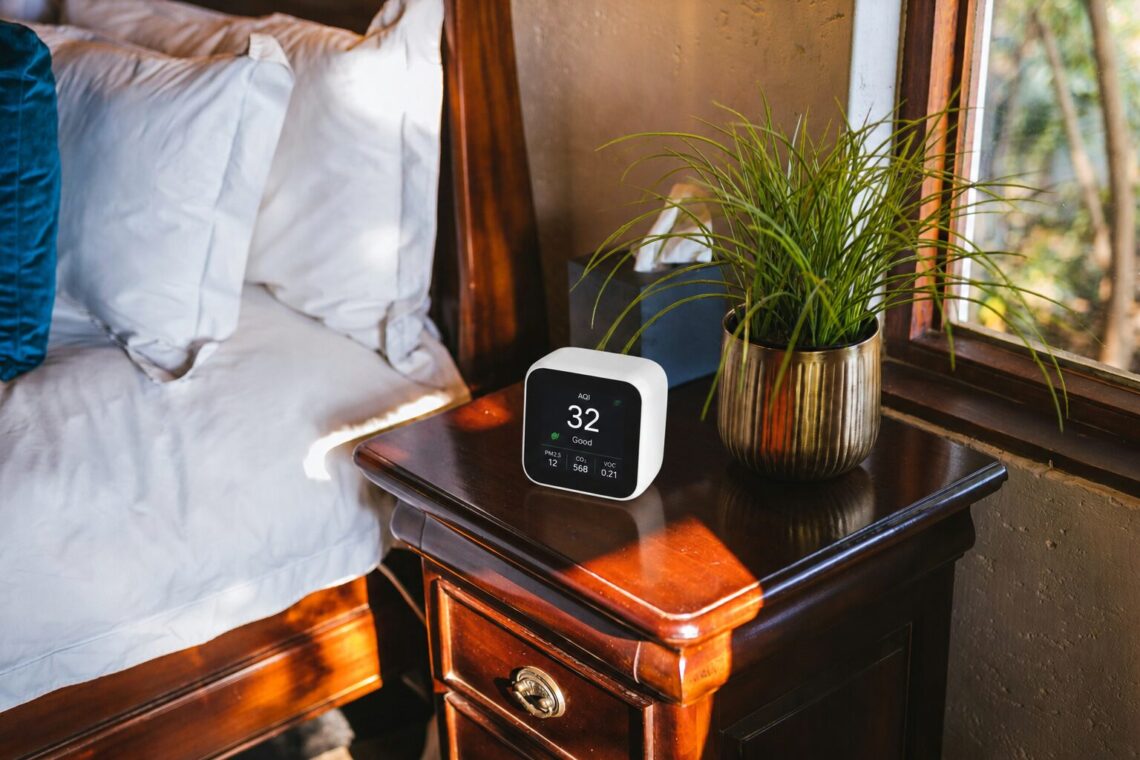
Air quality monitor with PM2.5 reading — consumer-grade monitors can measure fine particulate matter in real time. They’re especially useful for understanding what cooking, burning, or outdoor pollution events do to your indoor air. They vary in accuracy, but they’re excellent for identifying patterns.
VOC sensor — some monitors include VOC detection. These are less precise than professional instruments but can alert you to meaningful spikes — useful after painting, installing new flooring, or bringing in new furniture.
Situational
Mold test kits — useful if you suspect a hidden mold problem you can’t locate visually, though professional testing gives more reliable results for serious concerns.
Lead test kits — swabs you apply to painted surfaces to check for lead. Helpful if you’re in an older home and planning any renovation work.
Formaldehyde monitors — relevant particularly if you have significant new furniture, flooring, or recently renovated. Off-gassing is highest in new materials and decreases over time.
The Healthy Air Checklist (Print This Out)
Use this as your regular reference. Some items are one-time checks; others are ongoing habits.
When Monitoring Tells You Something Is Wrong
Here’s the thing about monitoring: it’s only useful if you know what to do with the information.
If your radon test comes back at 4 pCi/L or above: Contact a certified radon mitigation contractor. This is not a DIY situation — but it is also very fixable. Sub-slab depressurization is the most common and effective method. Get at least two quotes. After mitigation, retest to confirm the fix worked.
If your CO detector goes off: Get everyone (people and pets) out of the home immediately. Call emergency services. Don’t go back in until the cause has been identified and addressed. Common culprits are malfunctioning furnaces, blocked flues, or gas appliances misbehaving.
If your air monitor shows persistently high PM2.5: Look at what’s happening in and around the home. Is outdoor air quality poor (wildfires, traffic pollution)? Is cooking without ventilation spiking your numbers? High resting-state PM2.5 indoors — well above outdoor levels — suggests something is generating particles continuously. Combustion sources are the most likely culprits.
If your humidity monitor shows consistently above 60%: Take it seriously. This is the territory where mold grows readily and dust mites proliferate. Identify the moisture source — poor ventilation, water intrusion, inadequate exhaust fans — and address it rather than just running a dehumidifier indefinitely over the symptom.
If you notice symptoms that improve when you leave home: Eye irritation, headaches, fatigue, respiratory symptoms, or worsening allergies that get better when you’re away from the house and return when you come back are a signal. Keep a rough log of when symptoms occur and discuss it with your doctor. This pattern is often an indicator of an indoor air quality problem worth investigating.
A Note on Air Purifiers
Air purifiers have become popular, and some of them genuinely help — particularly for particle removal. But it’s worth being clear about what they can and can’t do.
A well-rated HEPA air purifier in the right size for your room will meaningfully reduce airborne particles: dust, pollen, pet dander, mold spores, and fine particulate matter. For families with asthma, allergies, or respiratory sensitivities, this can make a real difference in bedroom or living room air quality.
What they don’t do as effectively: remove gaseous pollutants like VOCs, formaldehyde, CO, radon, or NO₂. Some purifiers include activated carbon filters that absorb some VOCs, but they become saturated over time and need replacement. An air purifier running in a room full of VOC sources (new furniture, synthetic fragrances, paint fumes) is treating the symptom, not the cause.
The honest priority order: source control first, ventilation second, air filtration third. A purifier works best when the sources have already been reduced and you’re catching what remains.
[A dedicated guide to choosing the right air purifier for your space is coming — including what specs actually matter and which certifications to look for.]
Building Better Habits Over Time
The goal isn’t to monitor everything perfectly from day one. It’s to build a clearer picture of your home’s air over time and make intentional improvements.
Start with the non-negotiables: radon testing, CO detectors, bathroom humidity. These catch the most serious and invisible problems.
Layer in the habits: cooking ventilation, shoe removal, HEPA vacuuming, weekly bedding washing. These make a measurable cumulative difference.
Then, as products need replacing, make better choices: low-VOC paint, solid wood furniture over pressed wood, fragrance-free cleaners, a range hood that actually vents outside.
You don’t need to overhaul your home this weekend. You need to make the next decision a better one, and then the one after that.
Healthier indoor air is built slowly, through consistent, realistic choices.
And now you know what to look for.