COB Homes 101: An Alternative to Traditional Housing
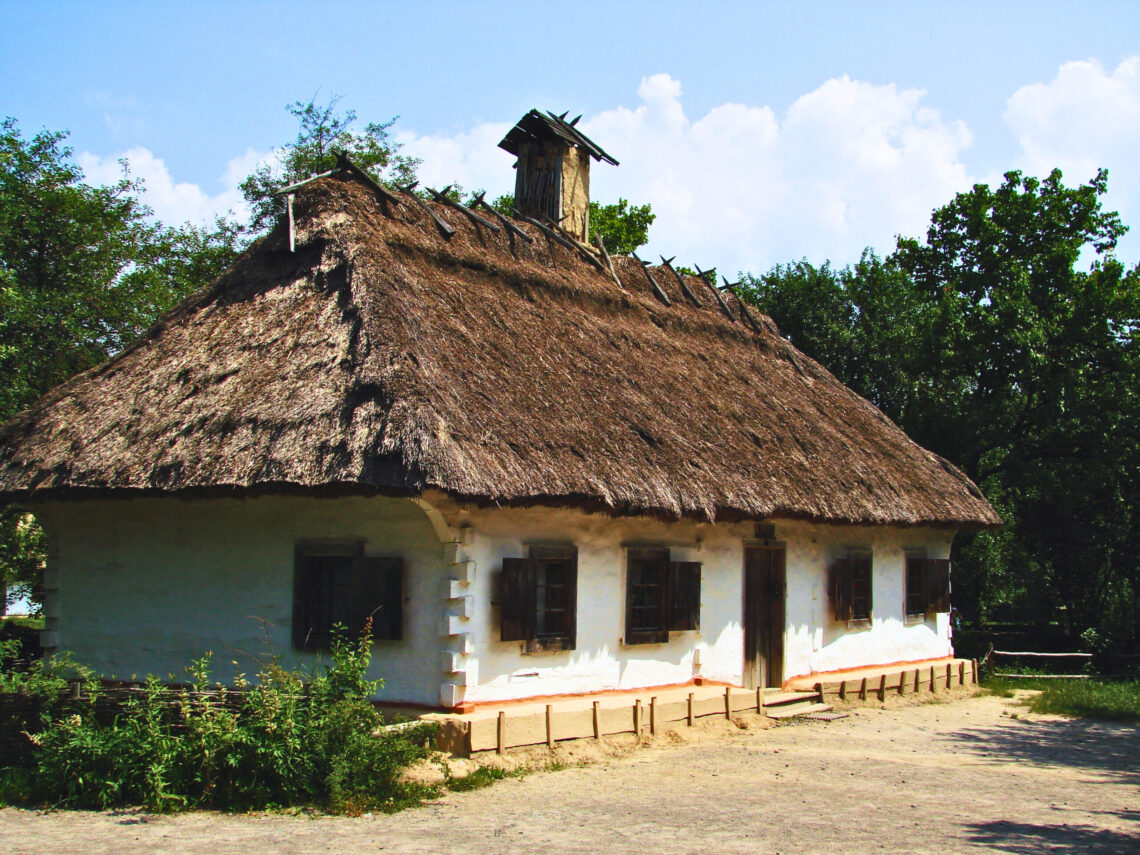
COB homes are an ancient type of natural building made from a mixture of clay-rich subsoil, sand, water, straw, and sometimes lime. This ancient technique involves shaping the cob mixture into thick, load-bearing walls which creates a highly durable, insulating, and breathable structure. It’s also an incredibly versatile material, allowing for creative, sculptural designs that are unique to each home.
As a housing crisis solution, sustainable building methods like cob construction offer affordable, low-impact options for creating homes that are durable and resilient. By utilizing natural and locally sourced materials, you can significantly reduce the carbon footprint associated with material production and transportation; provide better indoor air quality, reducing exposure to toxins and allergens commonly found in conventional building materials; and, as these techniques rely on manual labor rather than industrial processes, they are more accessible in regions where modern building materials are scarce or expensive.
Table of Contents
What Are COB Homes?
The term “cob” is derived from an Old English word meaning “lump” or “rounded mass,” which aptly describes the way cob is formed—by shaping wet clumps of earth mixed with straw into walls.
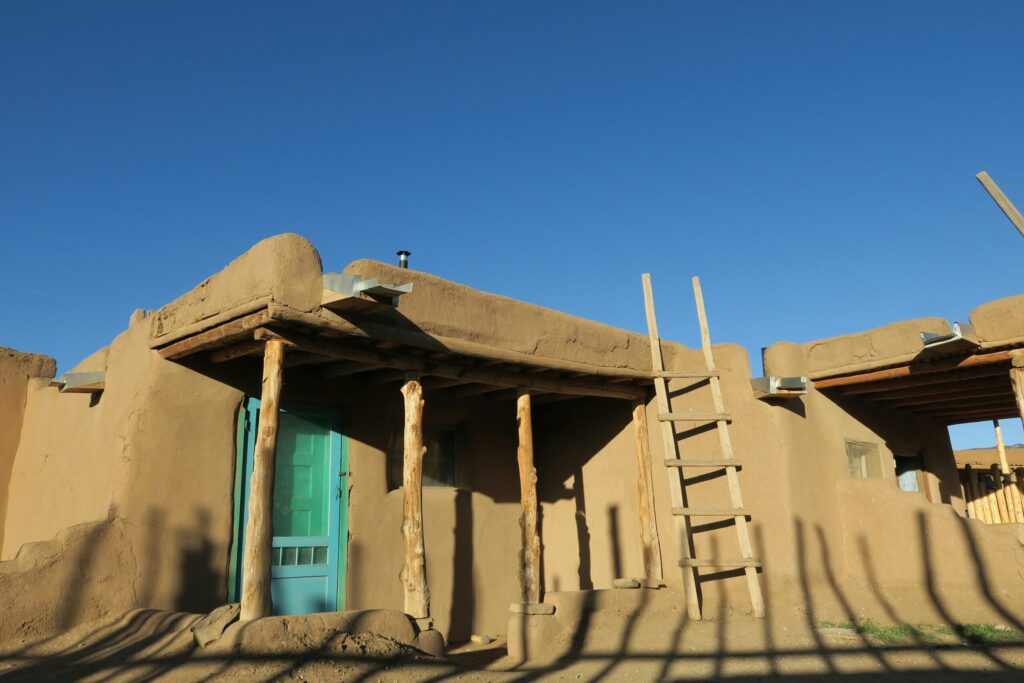
Cob was widely used in medieval England, Wales, and Ireland, where it became especially popular in the 15th century due to its low cost and ease of construction. The mild, wet climate of these regions made cob an ideal material, as it regulates indoor temperatures and humidity well. In arid regions of Middle East and North Africa, variations of cob have been used for millennia to build entire villages. The hot, dry climate makes earthen buildings ideal, as they keep interiors cool during the day and warm at night. Cob buildings can still be found in these areas, where some have stood for hundreds of years.
In the late 20th century, cob saw a resurgence as part of the natural building movement, interest in low-cost, sustainable, and environmentally friendly housing fueled its revival. Cob’s flexible, sculptural properties also make it attractive to modern architects and builders looking for eco-conscious and aesthetically unique designs.
Cob remains a symbol of resilience, sustainability, and harmony with nature, representing a return to human-scaled, earth-based construction techniques that have been refined through centuries of practical use.
Benefits of COB Homes
Environmental Benefits
- Low Carbon Footprint: Uses natural, locally sourced materials (clay, sand, straw) reducing production and transportation emissions.
- Energy Efficiency: Thick cob walls provide thermal mass, minimizing the need for artificial heating or cooling.
- Biodegradable Materials: All components of cob houses are fully biodegradable at the end of the structure’s lifecycle.
- Minimal Resource Extraction: Cob uses abundant, renewable materials, lowering the need for resource-intensive processes.
- Reduced Waste: Building with cob produces very little waste compared to conventional construction.
- No Chemical Additives: Cob construction doesn’t rely on harmful chemicals, reducing environmental contamination.
- Durability: Cob houses last for centuries with minimal maintenance, reducing the need for resource consumption over time.
- Water Conservation: Cob does not require excessive water during construction compared to conventional concrete.
- Sustainable Architecture: Supports regenerative building practices and encourages minimal impact on local ecosystems.
Health Benefits
- Non-Toxic Materials: Cob contains no toxic chemicals, added to its porous nature, these breathable walls reduce the buildup of indoor pollutants and moist, ensuring cleaner indoor air quality.
- Allergen-Free: The natural materials used do not emit VOCs (Volatile Organic Compounds) or other irritants. Plus, since no synthetic materials are used, there’s a reduced risk of allergic reactions.
- Sound Insulation: Cob walls offer natural soundproofing, promoting a quieter, more peaceful living environment.
- Humidity Regulation: Cob helps maintain comfortable humidity levels inside the home, preventing mold and mildew growth.
- Reduced Electromagnetic Fields: Cob doesn’t carry electrical wiring in the same way modern buildings do, reducing exposure to EMFs.
- Stress Reduction: The natural aesthetic of cob, with its organic forms and earthy feel, creates a calming and stress-relieving environment.
- Low Indoor Temperature Fluctuations: Contributes to consistency and thermal comfort.
Economic Benefits
- Affordable Materials: Cob houses use inexpensive, readily available materials like soil and straw, reducing building costs.
- Energy Savings: The natural insulation properties lower energy bills for heating and cooling over time.
- Low Maintenance Costs: Cob homes require minimal maintenance, further reducing long-term expenses.
- Longevity: Cob homes are known to last for centuries, meaning reduced costs over time for rebuilding or renovation.
- DIY Construction: Many cob houses can be built by the owner, reducing labor costs associated with conventional construction.
- No Expensive Finishes Needed: Cob can be finished simply with lime plaster or natural paints, reducing the need for costly interior finishes.
- Resale Value: Sustainable homes are increasingly valued for their eco-friendly money saving attributes, boosting property resale prices.
- Energy Independence: With reduced need for electricity or heating, cob homes can contribute to energy independence, especially in off-grid settings.
Social Benefits
- Community Building: Cob construction often involves community participation, strengthening social ties and collaboration.
- Education & Skills Development: Building cob houses offers an opportunity to learn valuable, hands-on construction skills.
- Cultural Heritage Preservation: Cob is an ancient building technique, and using it promotes cultural and architectural heritage.
- Healthier Living Environment: Cob homes encourage a focus on wellness and simplicity, fostering healthier social environments.
- Aesthetic Appeal: Cob homes are often unique and creatively designed, promoting an appreciation for natural beauty and craftsmanship.
- Reduced Social Disparity: Affordable cob houses can provide accessible housing solutions for low-income communities.
- Eco-Conscious Community Identity: Living in a cob house can strengthen eco-conscious communities by promoting sustainable living practices.
- Encourages Local Economies: By using local materials and labor, cob homes contribute to regional economic development.
- Resilience to Climate Change: Cob houses are highly durable and can withstand extreme weather, offering a sustainable housing option for future generations.
How Cob Homes Differ from Traditional Brick and Timber Houses
Cob homes, crafted from clay, sand, straw, and water, bring a sense of grounding and simplicity that modern housing often forgets. Every curve and contour of a cob wall whispers a story of patience and care, reminding us that shelter can be an art form as much as a necessity. Their signature curved walls and organic lines give them an unique personality-no two are ever quite the same.
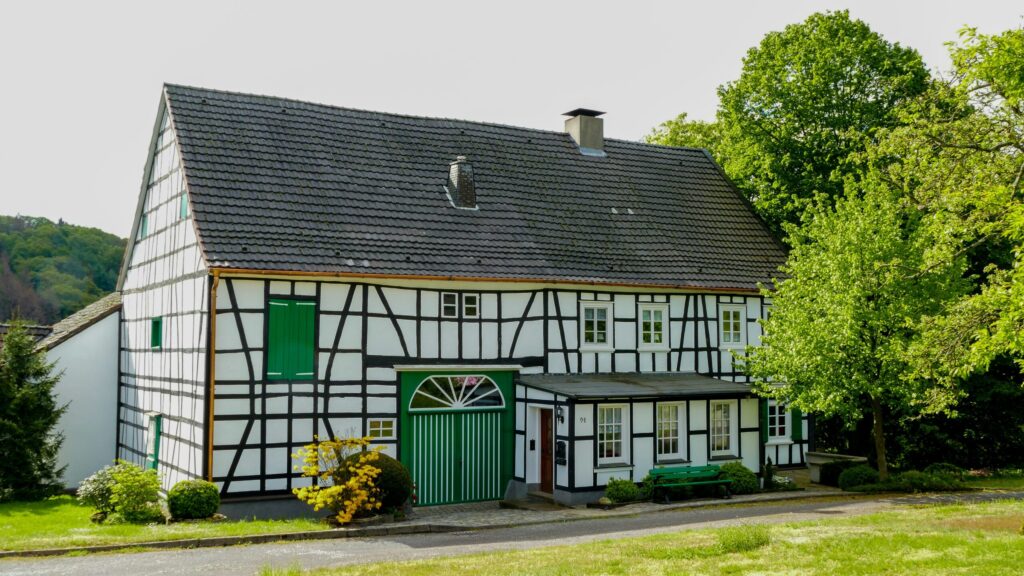
Traditional housing, on the other hand, shines in its convenience, scalability, and ease of access, and meet the needs of growing urban populations. It relies on manufactured materials and standardized building methods. They can be assembled more quickly, integrate easily with modern electrical and plumbing systems, and offer consistent quality thanks to industrial production.
A home’s true magic is in the life and love it shelters. In that sense, both cob and traditional homes share the same noble purpose: to protect, to nurture, and to welcome us back after life’s journeys.
The future could hold a hybrid approach—where the soulfulness of cob meets the convenience of modern building—creating spaces that are eco-friendly, comfortable, and deeply personal.
Cost Comparison: Cob Homes vs. Traditional Housing
When it comes to cost, cob homes and conventional housing play in very different leagues—though the winner depends on how you measure value.
Building a cob home can be significantly cheaper if you source local materials and contribute your own labor. Clay, sand, and straw are often inexpensive or even free, and the DIY-friendly nature of cob means you can save thousands in labor costs. The trade-off? Time and elbow grease—lots of it.
Traditional housing, built from brick, concrete, and timber, comes with higher upfront costs. Professional crews, specialized tools, and manufactured materials all add up quickly. However, these homes often qualify more easily for mortgages, insurance, and resale, making them more financially accessible in the eyes of banks and real estate markets.
Here’s a rough cost breakdown showing estimated ranges for materials, labor, and maintenance for both types of housing.
| Category | Cob Homes (DIY/Small Build) | Conventional Housing (Brick/Timber) |
|---|---|---|
| Materials | $3,000 – $10,000 | $50,000 – $150,000+ |
| Labor | $0 – $20,000 (DIY vs. hired) | $50,000 – $100,000+ |
| Tools/Equipment | $500 – $2,000 | $5,000 – $15,000 |
| Maintenance | Low – natural repairs with cob | Medium – periodic painting/repairs |
| Total Estimate | $3,500 – $32,000+ | $105,000 – $265,000+ |
Note: This are estimated prices. Costs vary widely by location, home size, and whether you hire professionals or do most of the work yourself.
The Artistic Freedom of Cob Architecture
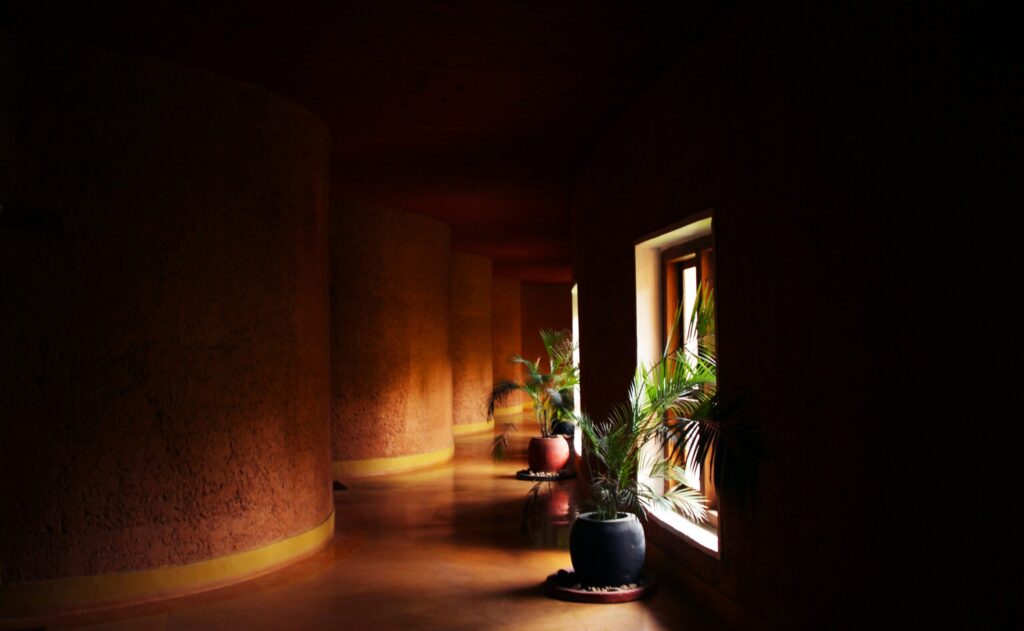
Cob architecture is where building a home meets sculpting a masterpiece. Because cob is applied by hand in soft, moldable layers, you’re not confined to rigid lines or right angles. Curved walls, arched doorways, built-in shelves, rounded windows, and flowing shapes are all possible—often without the need for extra framing or costly customization.
This freedom means every cob home becomes a one-of-a-kind creation, reflecting the builder’s personality and imagination. Want a whimsical nook for reading? A sculpted bench by the fireplace? Decorative patterns pressed into the walls? cob lets you color outside the lines
Challenges and Considerations When Building a Cob Home
Building a cob home is as rewarding as it is labor-intensive, but it’s not without its challenges. Knowing what to expect can help you turn obstacles into opportunities.
1. Time and Labor – Cob construction is hands-on and can take weeks or months, especially if you’re building solo. Mixing, shaping, and drying each layer requires patience—and strong arms.
2. Weather Dependence – Because cob needs time to dry between layers, rainy seasons or extreme humidity can delay progress. In hot climates, extra care is needed to prevent rapid drying and cracking.
3. Building Codes and Permits – Not all regions are familiar with cob, which can make securing permits tricky. You may need to work closely with local officials or find architects and engineers who specialize in natural building.
4. Modern Utilities – Integrating plumbing, wiring, and insulation into cob requires planning ahead. While possible, it can be more complex than in conventional builds.
5. Resale and Financing – Banks and real estate agents may view cob homes as unconventional, making mortgages and resale more challenging compared to traditional properties.
Conclusion
As outlined throughout this guide, COB homes are more than an alternative construction method—they represent a sustainable housing approach grounded in environmental responsibility, traditional craftsmanship, and a strong connection to natural materials. Built primarily from earth, sand, straw, and water, cob houses offer low-impact construction, design flexibility, and long-term durability, demonstrating that eco-friendly homes can provide both comfort and visual appeal.
As interest in sustainable building practices and natural housing solutions continues to grow, COB homes illustrate how historic construction techniques can be effectively adapted for modern living. By combining proven structural performance with creative architectural expression, cob home construction offers a resilient, energy-efficient, and aesthetically distinctive option for those seeking a thoughtful and enduring approach to residential design.